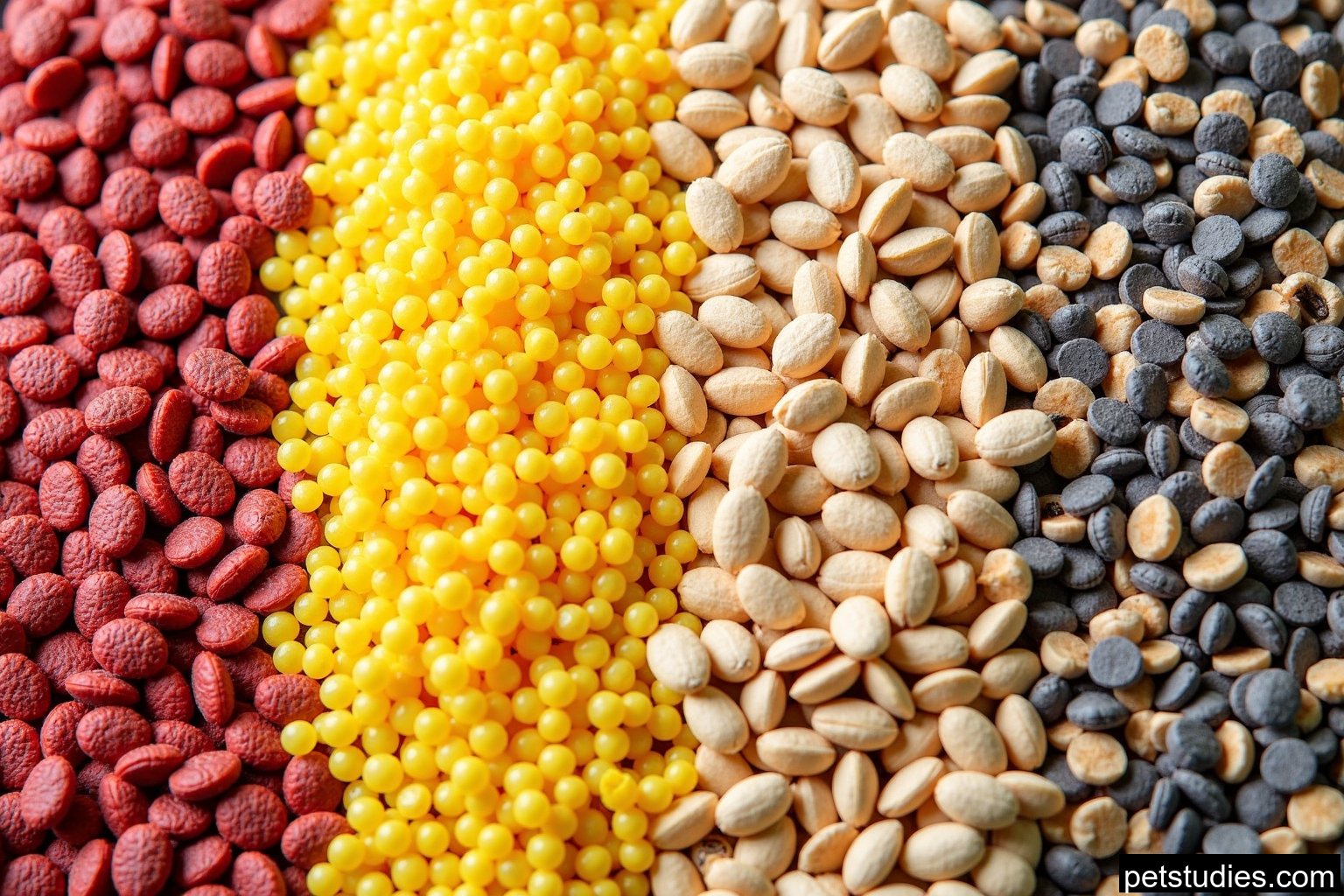
Bird Nutrition Essentials: How to Balance Seeds and Pellets for Optimal Health
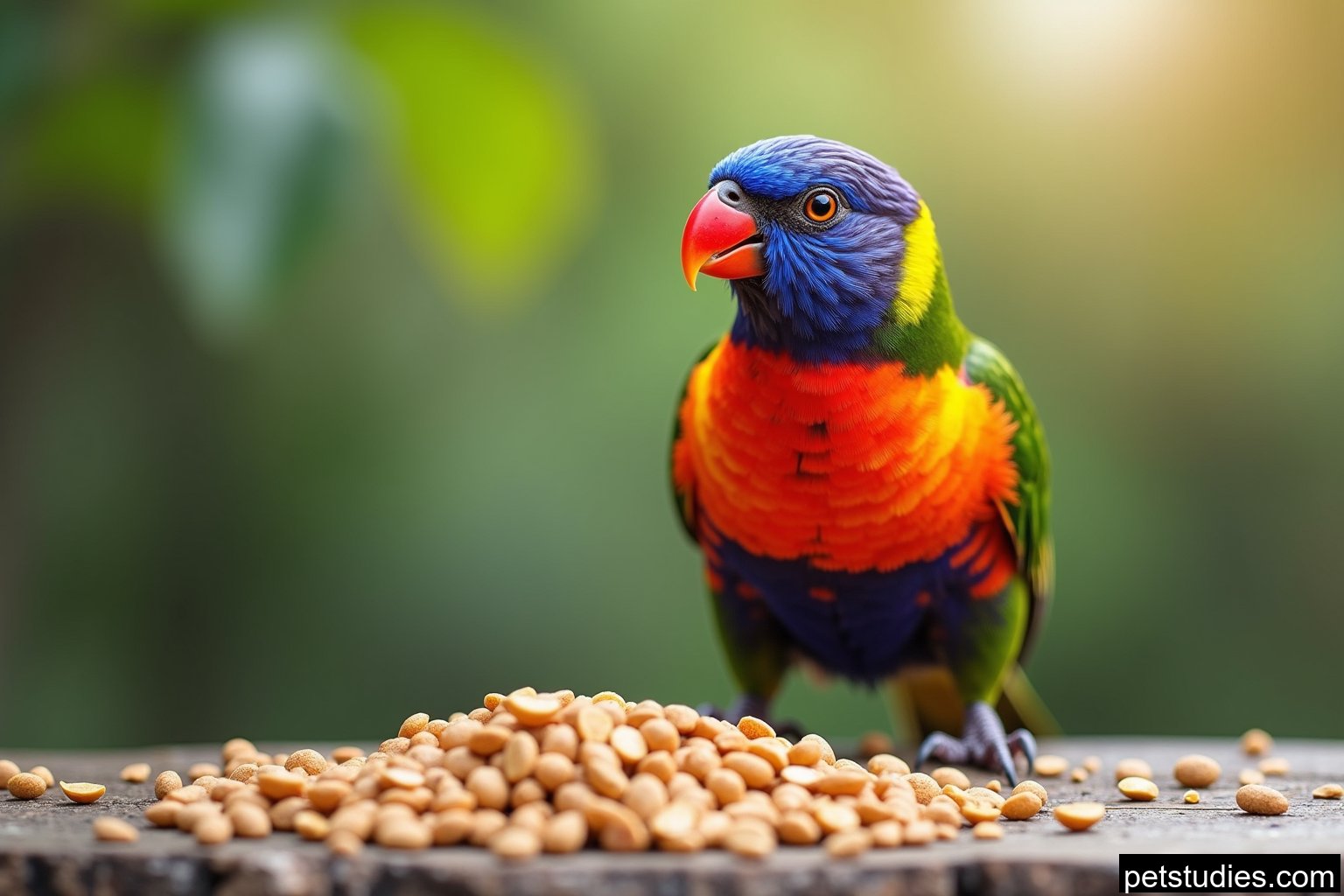
Proper nutrition is crucial for the health and well-being of our avian companions. When it comes to feeding birds, finding the right balance between seeds and pellets is essential for ensuring they receive the necessary nutrients to thrive. Let's delve deeper into the key aspects of bird nutrition and how to strike the perfect balance.
- Many bird owners rely on seed mixes as the primary source of nutrition for their feathered friends.
- While seeds can be a tasty treat, they may not provide all the essential nutrients that birds need for optimal health.
- Seeds are often high in fats and low in essential vitamins and minerals, leading to nutritional deficiencies over time.
- Pelleted diets are specifically formulated to provide a well-balanced combination of nutrients for birds.
- These formulated pellets ensure that birds receive a complete and balanced diet without the risk of selective eating.
- Pellets can be a convenient way to ensure that your bird is getting all the necessary vitamins, minerals, and proteins in their daily diet.
- The key to optimal bird nutrition is finding the right balance between seeds and pellets in their diet.
- Incorporating a variety of seeds, fresh fruits, vegetables, and high-quality pellets can help meet your bird's nutritional needs.
- Consult with your avian veterinarian to determine the perfect ratio of seeds to pellets based on your bird's species, age, and individual dietary requirements.
- Regularly monitor your bird's weight, feather condition, and overall health to assess the effectiveness of their diet.
- Keep track of the seed-to-pellet ratio and make adjustments as needed to ensure your bird remains healthy and active.
- Seek guidance from avian nutrition experts or certified avian veterinarians to fine-tune your bird's diet for optimal health.
- Offer fresh, bird-safe fruits and vegetables as part of your bird's daily diet to provide essential vitamins and minerals.
- Provide access to clean, fresh water at all times to help support proper digestion and hydration.
- Avoid feeding birds foods that are high in fat, salt, or sugar, as these can lead to health issues over time.
Balancing seeds and pellets is a key component of ensuring your feathered friend's overall health and longevity. By understanding the importance of nutrition and making informed dietary choices, you can provide your bird with a well-rounded diet that meets their specific needs. Remember, proper nutrition is the foundation of a happy and healthy bird!
1. Explore our guide on "Common Nutritional Mistakes Bird Owners Make" to further enhance your understanding of avian nutrition.
2. Check out our course on "Bird Health and Wellness" for in-depth information on maintaining your bird's overall well-being.